
The $12 Million Catalyst: IFC and Turkana County Push to Anchor the Shirika Plan in Private Capital
By Claudine NishimweReporting from Kenya
The economic landscape of Turkana West is undergoing a structural transformation. For decades, the region’s economy was sustained almost entirely by humanitarian aid. Today, it is rapidly emerging as a frontier market for private capital, tech innovation, and blended finance.
In recent stakeholder meetings outlining the transition to integrated settlements under Kenya’s Shirika Plan, Turkana County leadership made a definitive stance: without aggressive private sector participation, the socio-economic goals of refugee integration cannot be realized.
Central to this shift is the Kakuma-Kalobeyei Challenge Fund (KKCF), a flagship initiative implemented by the International Finance Corporation (IFC) and the Africa Enterprise Challenge Fund (AECF). During a recent briefing with the World Bank's Fragility, Conflict and Violence Mission, officials confirmed that the KKCF has successfully facilitated $12 million in investments, a figure that has been matched by private businesses operating within the settlement and host communities.
De-Risking the Refugee Economy
The capital flowing into the region is actively de-risking the environment for local entrepreneurs. Historically, the perceived high risk of displacement settings locked founders out of traditional credit and institutional funding.
However, with risk-sharing facilities expanding and the establishment of local hubs for business registration, the barriers to scale are dropping. This injection of frontier capital is directly accelerating growth across several high-impact sectors:
- Fintech and Digital Work: Access to reliable commercial credit allows refugee-led tech initiatives to scale their infrastructure. For B2B managed marketplaces and freelance networks, securing capital means they can bridge the digital divide, establish reliable internet connectivity, and compete for global contracts.
- Logistics and Delivery Networks: The expansion of local road networks and digital payment ecosystems is a massive operational boost for food delivery and catering startups operating across Kakuma and Kalobeyei, allowing them to optimize supply chains and increase transaction volumes.
- Service Ecosystems: As large corporations enter the market, attracted by IFC data proving the commercial viability of the region, they require local subsidiaries and design agencies to handle regional marketing, web development, and localized brand strategy.
The Shift Toward Agency
The success of the KKCF model proves that refugee-hosting regions are not just populations in need of management; they are active, viable marketplaces.
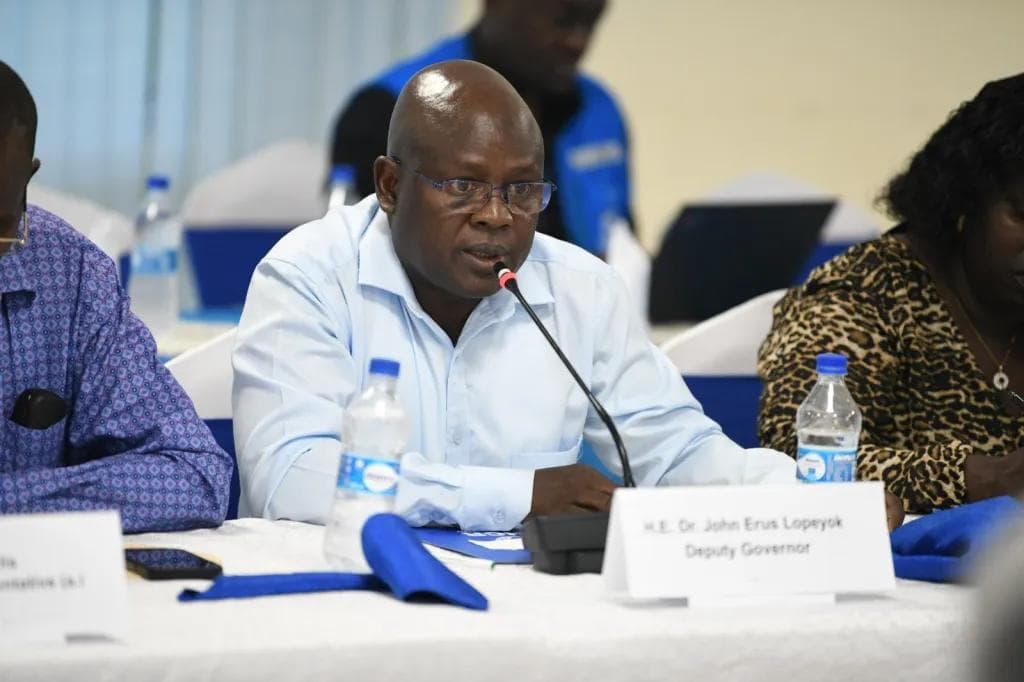
Addressing the need for sustainable systems over short-term aid, Turkana County Deputy Governor Dr. John Erus stressed that "there must be reciprocal investment in Turkana West to unlock economic potential." He noted that the KKCF serves as a working model for inclusive economic growth, pointing out that without strong private sector participation, the broader goals of the Shirika Plan may fall short.
As Kenya moves forward with integrating these economies, the focus is decisively shifting away from encampment and dependency. By unlocking frontier capital and streamlining the regulatory environment, the local tech and business ecosystems are proving that displaced talent is a highly investable asset.